Bringing Healing and Hope to Lokoja Diocese, Nigeria
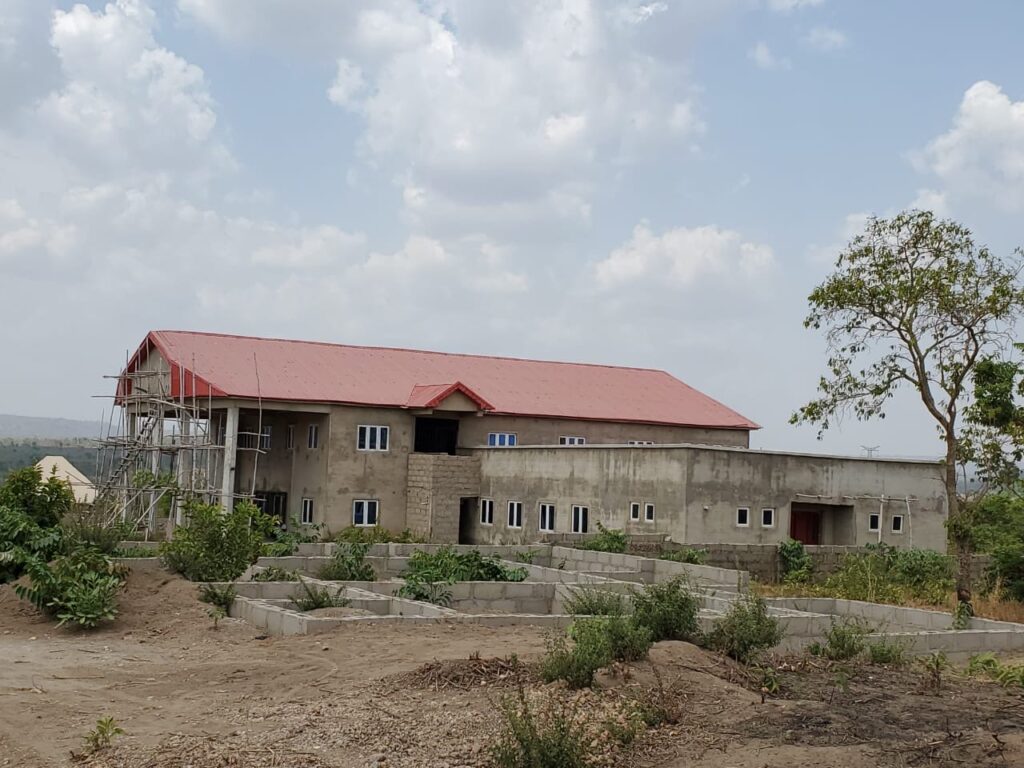
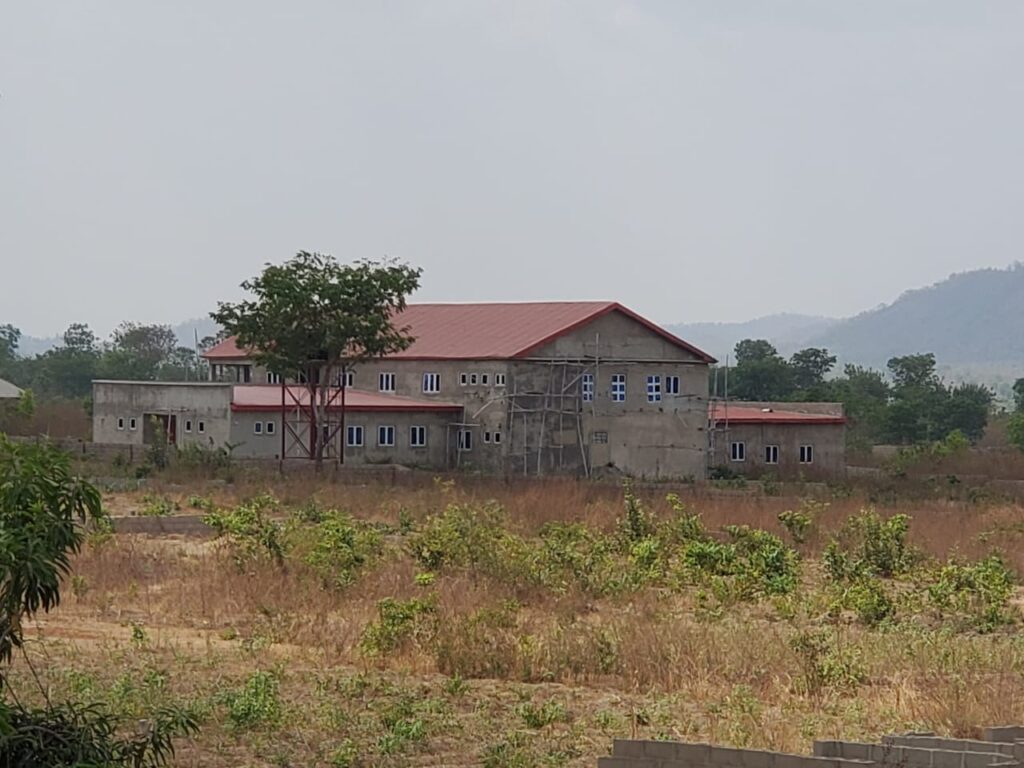
Years of faith, sacrifice, and perseverence are coming to life in the walls of our Mission Hospital, the sanctuary for those who have long been without access to care.
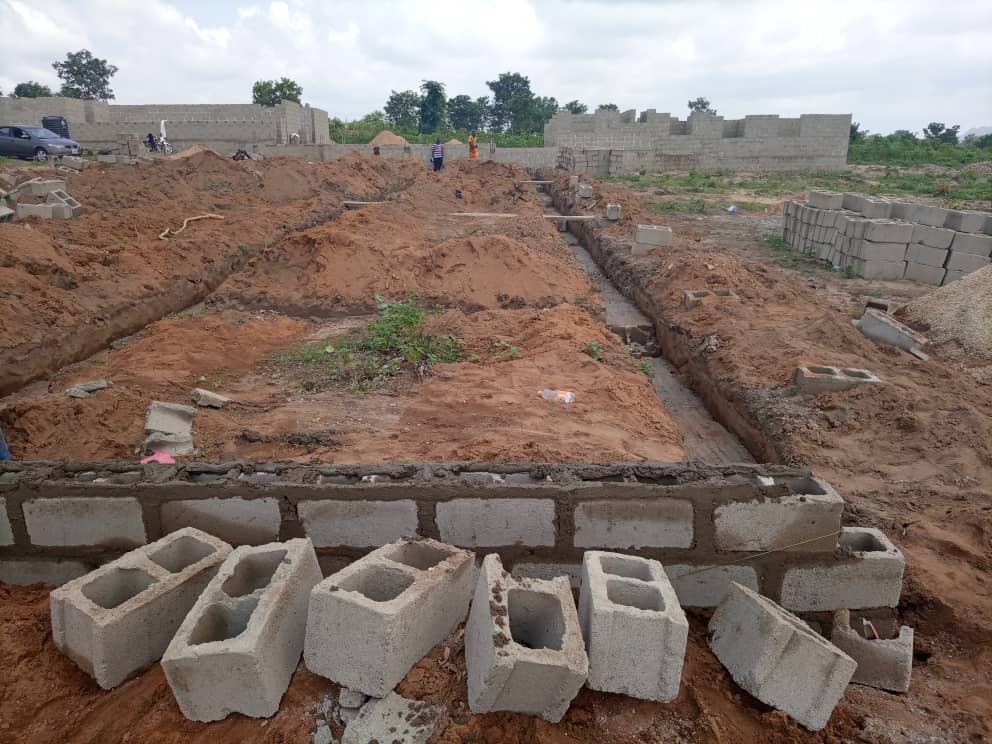
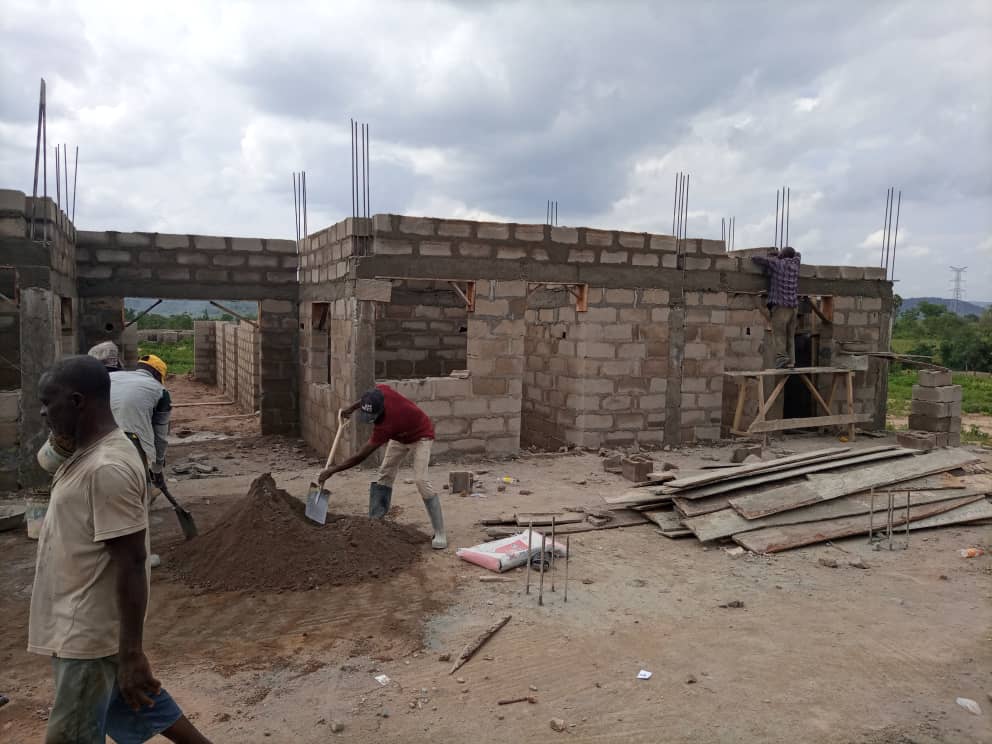
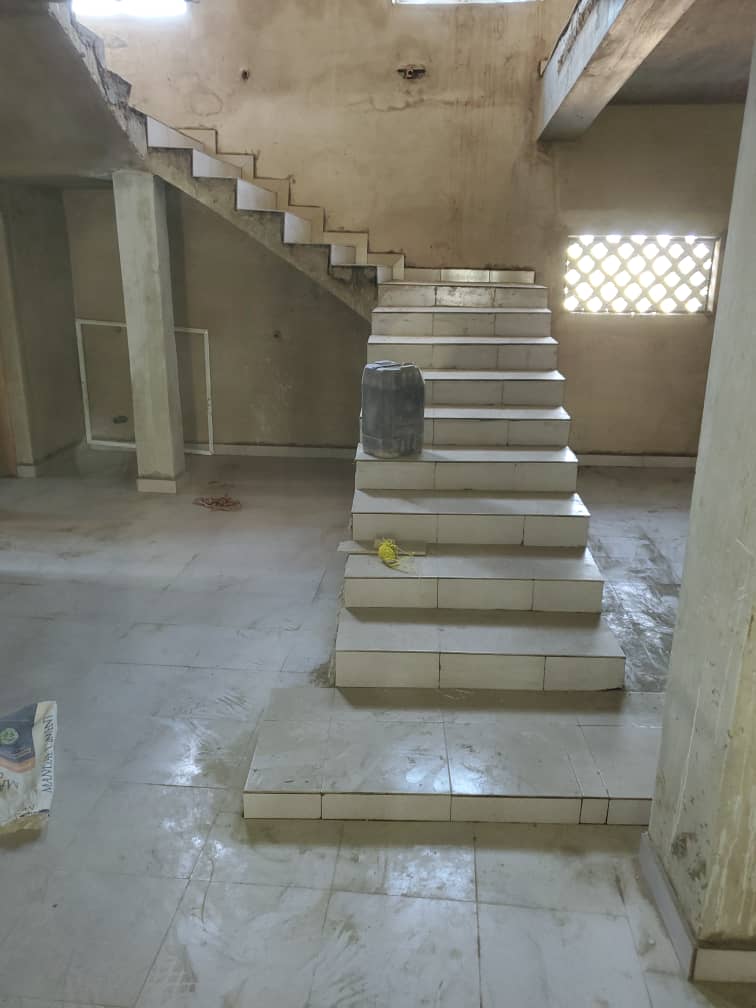
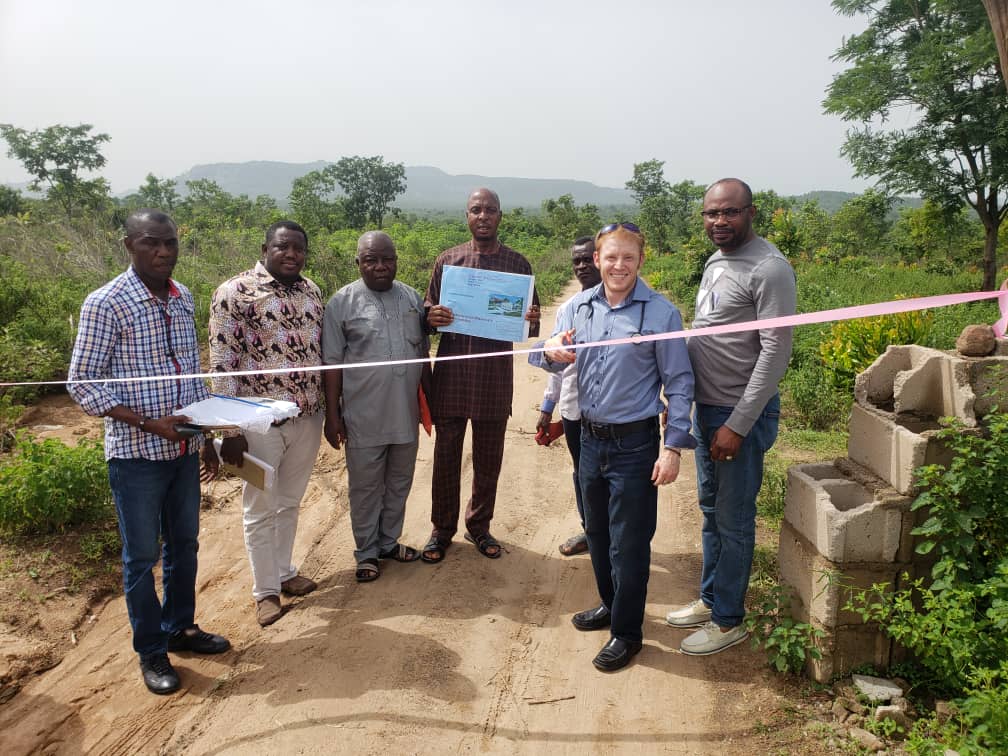
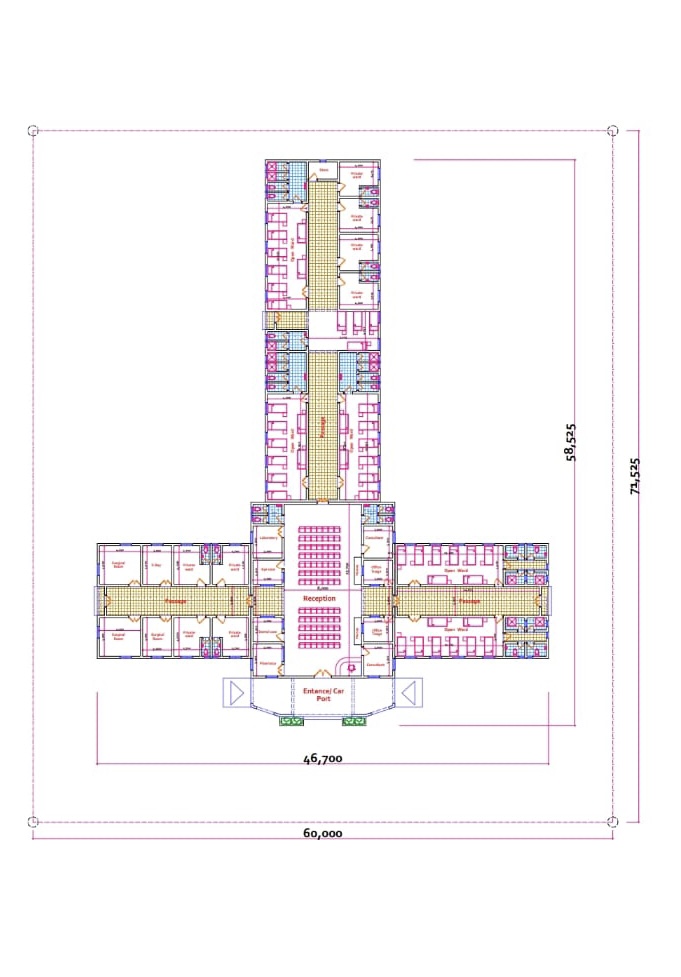
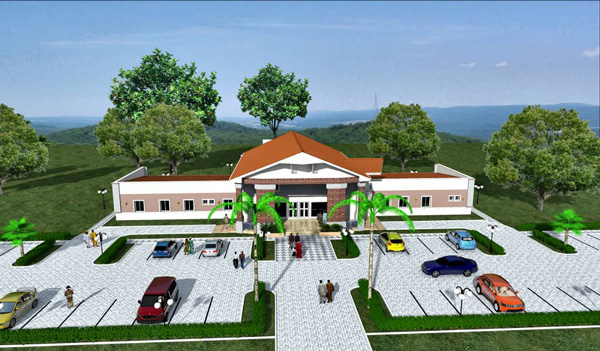
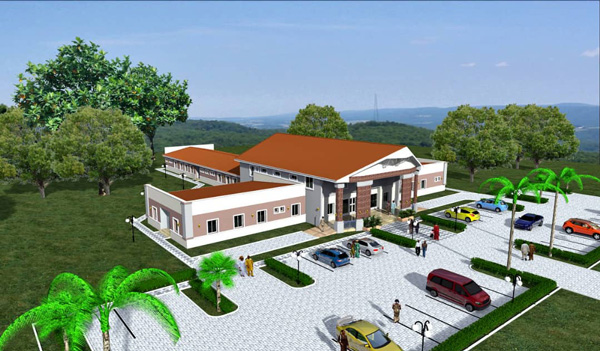
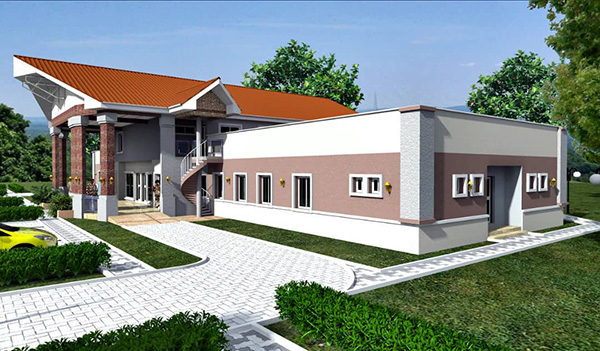
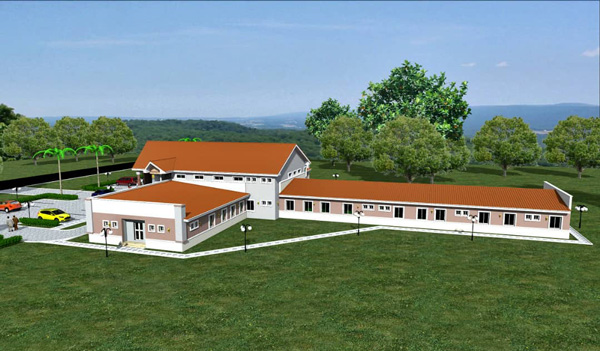
What began as a bare plot of land has grown into a nearly finished facility built by Nigerian construction teams thanks to the small and large gifts from generous supporters.
The story is not over yet but it will clearly be one of beauty formed through struggle and grace.
So Close to Opening Our Doors
By the grace of God and through diligent effort, we are committed to completing the following five core project milestones by the end of 2025.
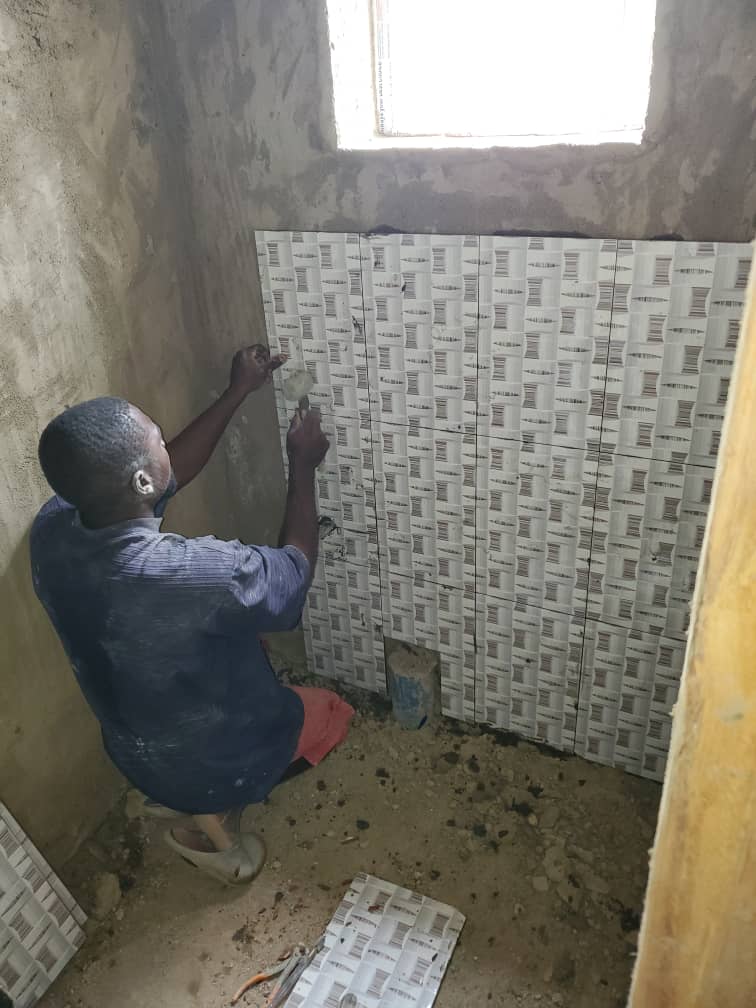
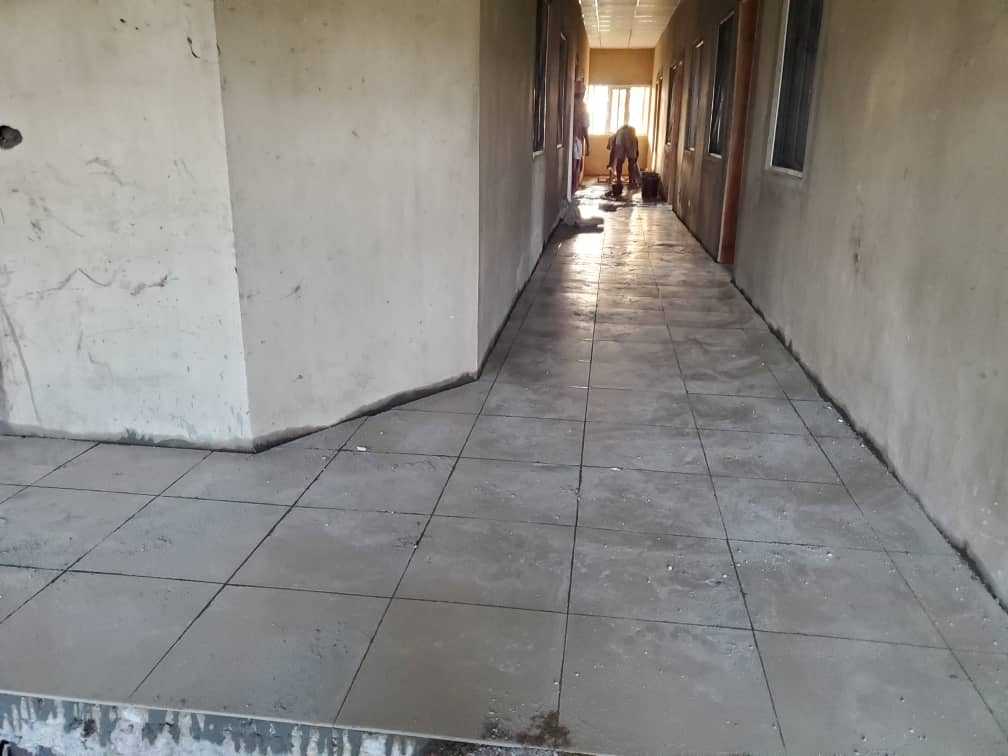
Interior Finishing | Complete final tile installations on left wing
Electrical System | Wiring, lines and power sockets throughout
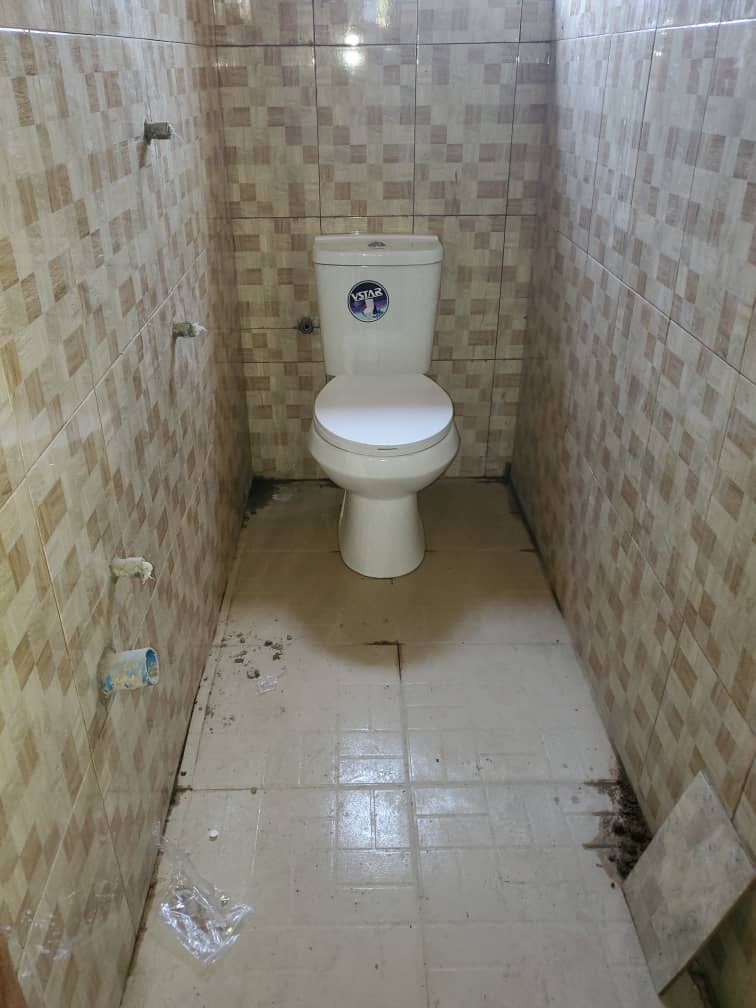
Plumbing Fixtures | Faucets, basins, and toilet units
Painting | Full interior and exterior paint
Perimeter Security | Install fencing and main gate for safety
Beyond Completion (Stretch Goals)
With additional support, we can enhance this space to be not only functional but beautiful and secure for generations to come.
Guard Post | Build a gatehouse to ensure around-the-clock safety
Landscaping & Parking | Create a calm, healing environment with paved parking and greenery
Power Infrastructure | Install poles, transformer base, and generator station for consistent power
Every donation brings this dream closer to life. Imagine the first patient walking through the hospital doors, the first child delivered safely, the first family who no longer has to travel miles for care.
Your gift will not just finish a building, it will restore hope in an entire community
In North Central Nigeria, 66 infants and 100 children under five die for every 1,000 births. While these numbers are slightly below the national average, they reveal a heartbreaking reality. Access to pediatric healthcare remains deeply limited. In Kogi State, only one health institution offers specialized care for children, leaving countless families without help when they need it most.
Together We Can Finish What Faith Began
The IMF team extend their deepest gratitude for every prayer, every dollar, and every moment shared in this journey. With your help, we will open the doors of the Lokoja Misison Hospital in 2025 and watch a dream become a beacon of healing for generations to come.
To improve access to quality pediatric and general health care services for the indigent population in parts of Kogi State.
To increase awareness of neighboring communities on environmental factors contributing to poor health conditions with the aim of improving same.
To collaborate with Kogi State government in reducing the infant and maternal mortality rates by 40%.
To create a symbiotic relationship between the US and Kogi state that are mutually beneficial.
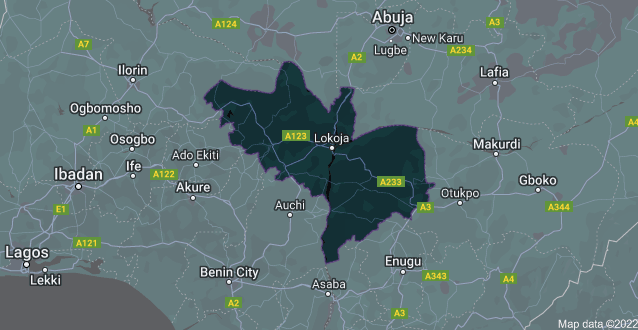
Kogi State, located in North Central Nigeria has a population of over 3.5 million people. The main occupation of the state is agriculture; cultivating cash and food crops. The healthcare system is plagued with the same problems as those at the national level. As of 2008, there were 1029 (1 tertiary, 50 secondary, 833 public primary and 246 private) healthcare facilities (81% are primary healthcare facilities) which are in a state of disrepair and underfunded. Eighty percent (80%) of the primary healthcare facilities are health posts that only offer out-patient services and no maternal health services. There exists a shortage of medical personnel with a ratio of 1 doctor to 59,697 patients. This ratio is below the national average of 1 doctor to 25,641 patients.